
The Rice Mother, Rani Manicka, 2002
- Malaysia, #5
- Paperback, $2.76 from Dog Eared Books in San Francisco
- Read March 2019
- Rating: 4/5
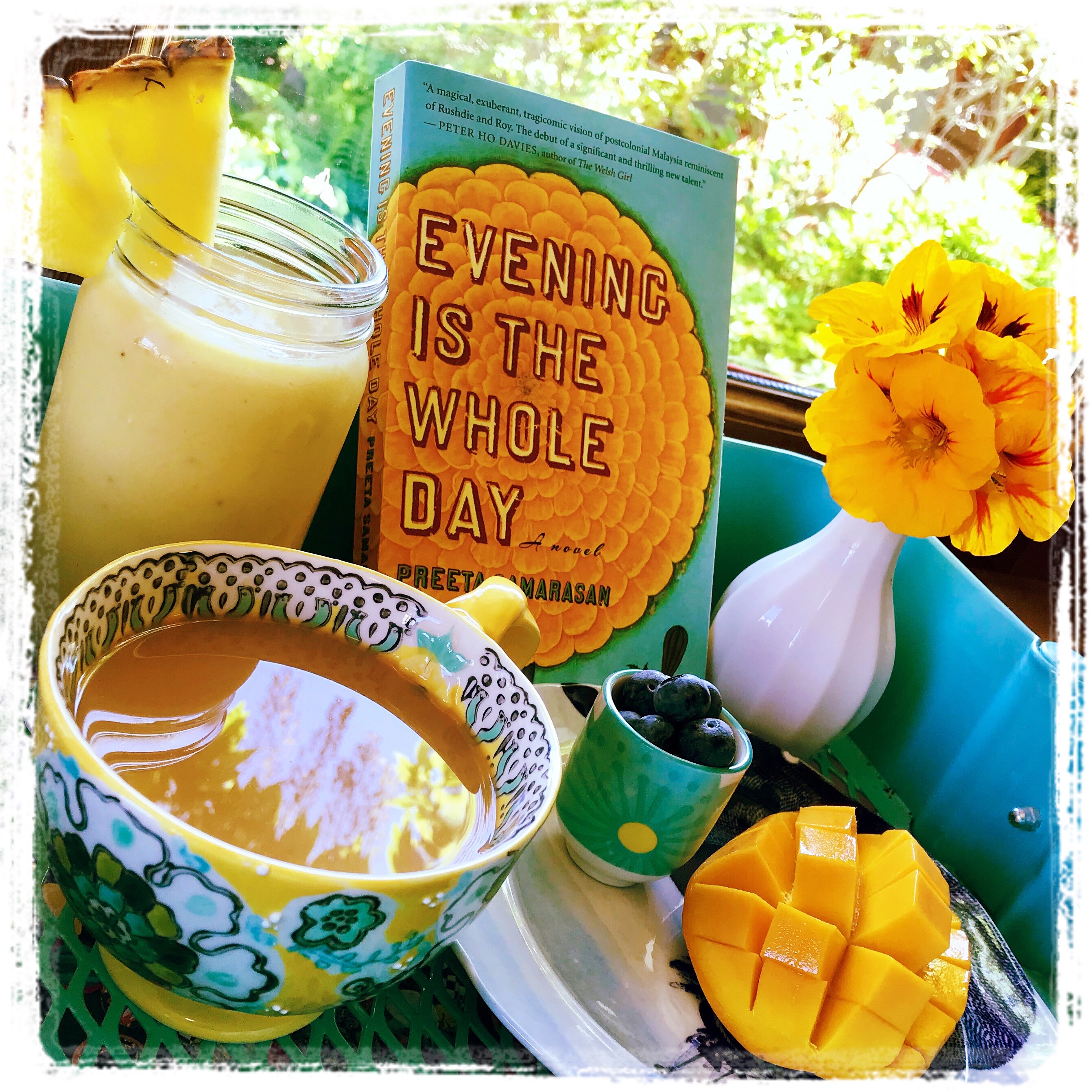
Evening Is the Whole Day, Preeta Samarasan
- Malaysia, #9
- $7.17 from World of Books
- Read May 2019
- Rating: 4.5/5
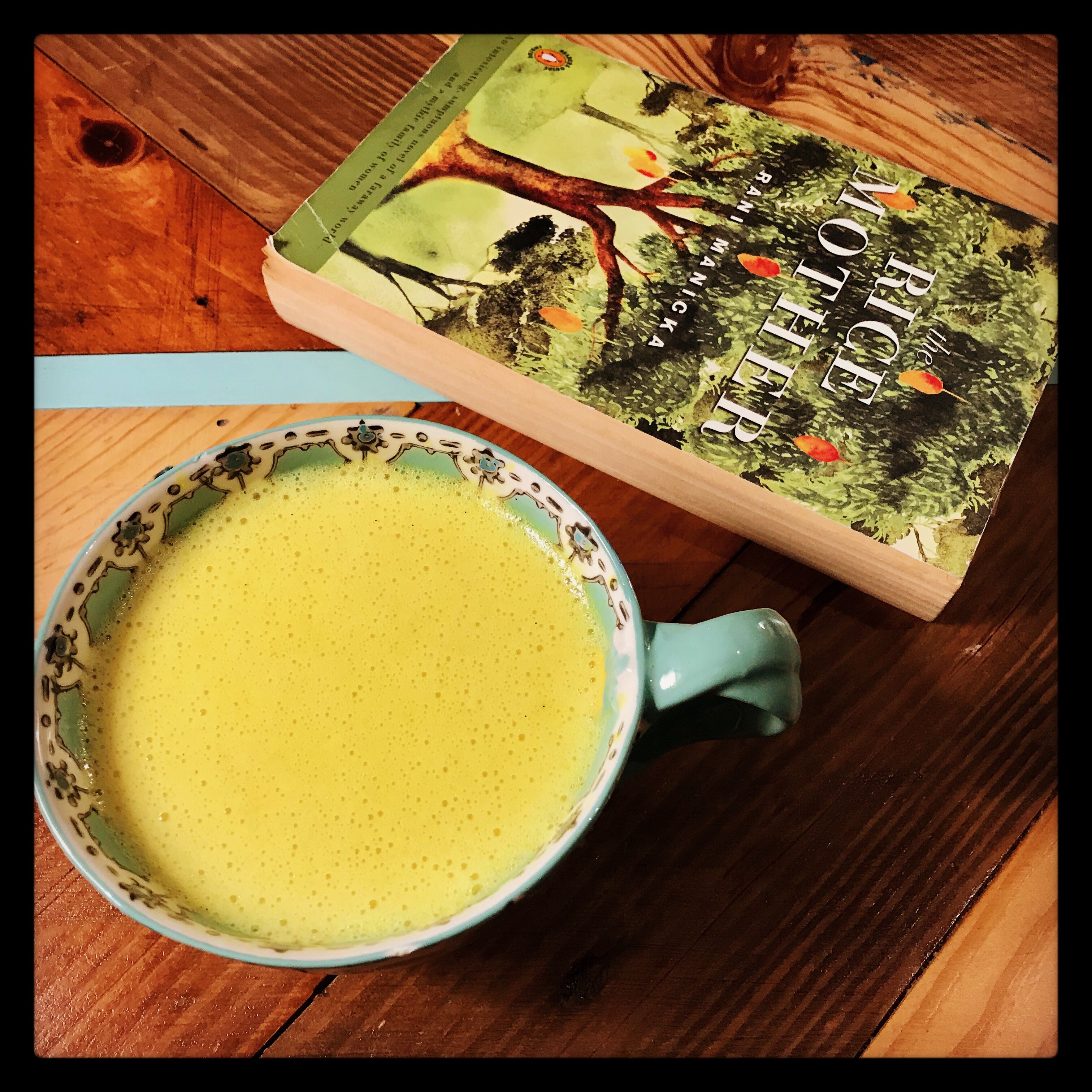
I’m putting these books together because they’re both multi-generational narratives about women from South Asian subcultures in Malaysia and also because they are both beautifully written and depressing as hell.
The Rice Mother follows Lakshmi, a fourteen-year-old girl from Ceylon who is married off to a middle-aged man in Malaysia who is purportedly wealthy but, as it turns out, isn’t. The story follows her, and eventually her children (and maybe grandchildren? I can’t remember), as she adapts to her new circumstances.
I have seldom read a book where alternating perspectives are used to such powerful effect. True, the voices are not very distinct (in fact one major quibble I have is that a character who is supposed to be “slow” narrates with a voice that is just as clever and insightful as all the other characters). But there are so many instances where the same event, seen from someone else’s eyes, takes on a whole new significance and new layers of meaning. Actions that were inexplicable suddenly make sense as layers and layers of context are added.
I take great exception, however, to the marketing of this book. The quotes they chose to put on the cover include “A first novel of Eastern exoticism, myth and magic…” (from Glamour UK), “Exotic, sensual, often searing…” (Kirkus Reviews) and “an intoxicating, sumptuous novel of a faraway world and a mythic family of women” (front cover blurb). It’s kind of infuriating. The author is from Malaysia. It’s not a faraway world for her (and don’t even get me started on “exotic”). My copy was published in 2002, so I guess hopefully we know better now? But also, all these reviews that emphasize the “magic” of the book, I feel like, are kind of misleading, because it is a Very Serious Book (and, as I mentioned earlier, kind of a downer). They make it sound magical like 1001 Nights, when really it’s more One Hundred Years of Solitude.
Also, for some reason, publishers decided to position the book as chick lit, but, like, exotic. Why? Because it’s about a mother? So only women will want to read it? Because everyone knows that no one has any interest in reading about parents unless they are the reader’s same gender; that’s why books about fathers, like The World According to Garp or The Road or, you know, the Bible, have so little female readership. And no one wants to read frank depictions of childbirth or sexual trauma or, god forbid, breastfeeding (unless, of course, it’s written by a man, like The Grapes of Wrath–that is some macho lactation right there). I don’t know. I guess they know how to sell books, but to me it’s a weird choice.
A similarly weird choice is the bright and cheery cover design for Evening Is the Whole Day, which spends its whole narrative building to a merciless gut punch that left me shaken. The author attempts A LOT with this book: a family saga, an intimate emotional portrait of human relationships, a close examination of intersections between race and class in Malaysia, along with an exploration of relative privilege and its limits, all in a story told backwards, a slowly unfolding mystery that is revealed piece by piece as the history is filled in. For the most part she succeeds phenomenally. The language is brilliantly inventive, the characterization rich and believable, and the dialogue and speech patterns carefully observed. The only place it fell down for me was in some of the elements of magical realism that occasionally occurred, which to me felt hasty and not organic to the world of the story. However, that’s a minor quibble with a work that was generally engaging, original, and beautifully wrought.


I can’t seem to sign into wordpress any longer to “like’ this excellent review. I will try to reset my password later. Love Mom
>
LikeLike